
What to Look for in Your Trees After a Mild Winter in the Okanagan
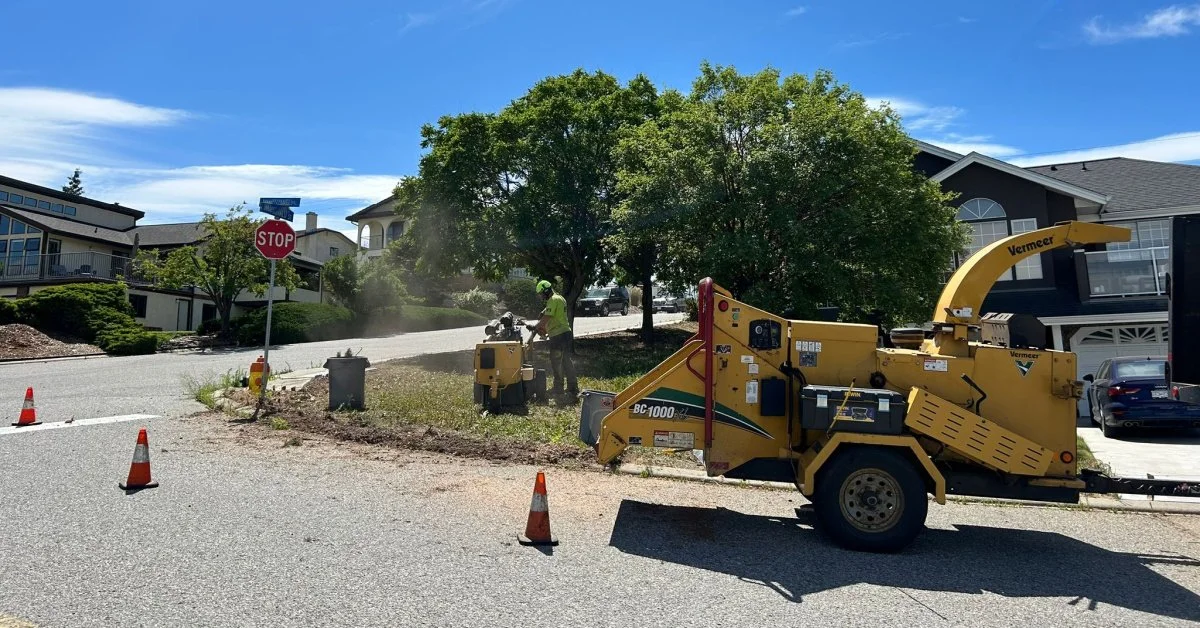
Millar Tree Care crews safely remove branches and process debris during a residential tree service job in the South Okanagan.
After a relatively mild winter in the South Okanagan, many homeowners are starting to spend more time outside and notice the condition of their trees. With temperatures already reaching double digits in early March, trees across Penticton and surrounding communities may begin showing signs of life earlier than usual this year.
While a milder winter can be easier on some trees, it doesn’t necessarily mean they avoided stress or damage. In fact, early spring is one of the best times to assess tree health because branches are still visible before leaves emerge. Taking a few minutes now to inspect your trees can help you identify potential problems early and ensure they stay healthy and safe throughout the growing season.
Below are several key things homeowners should look for when checking their trees after a mild winter.
Check for Hidden Winter Damage
Even during mild winters, trees can experience stress from temperature fluctuations, wind, and occasional snow or ice. Damage isn’t always obvious at first glance, so a closer inspection is worthwhile.
Look for signs such as:
Cracks in the trunk or major branches
Splitting bark
Broken or hanging limbs
Branches that appear partially detached
These types of issues can weaken a tree’s structure and may become more dangerous once spring winds pick up or when leaves add weight to branches. Addressing damaged limbs early can help prevent property damage and improve the long-term health of the tree.
Identify Dead or Weak Branches
Winter weather often exposes weak or dying branches that were already under stress from drought, disease, or age. Because trees have not fully leafed out yet, early spring provides excellent visibility for spotting dead wood.
Signs of dead branches may include:
Branches that snap easily when bent
Missing buds while surrounding branches show growth
Bark that is peeling or falling off
Branches that look dry or brittle
Removing dead or hazardous branches not only improves the appearance of the tree but also reduces safety risks around homes, driveways, and sidewalks. Early spring pruning can also help direct healthy growth as the tree enters the active growing season.
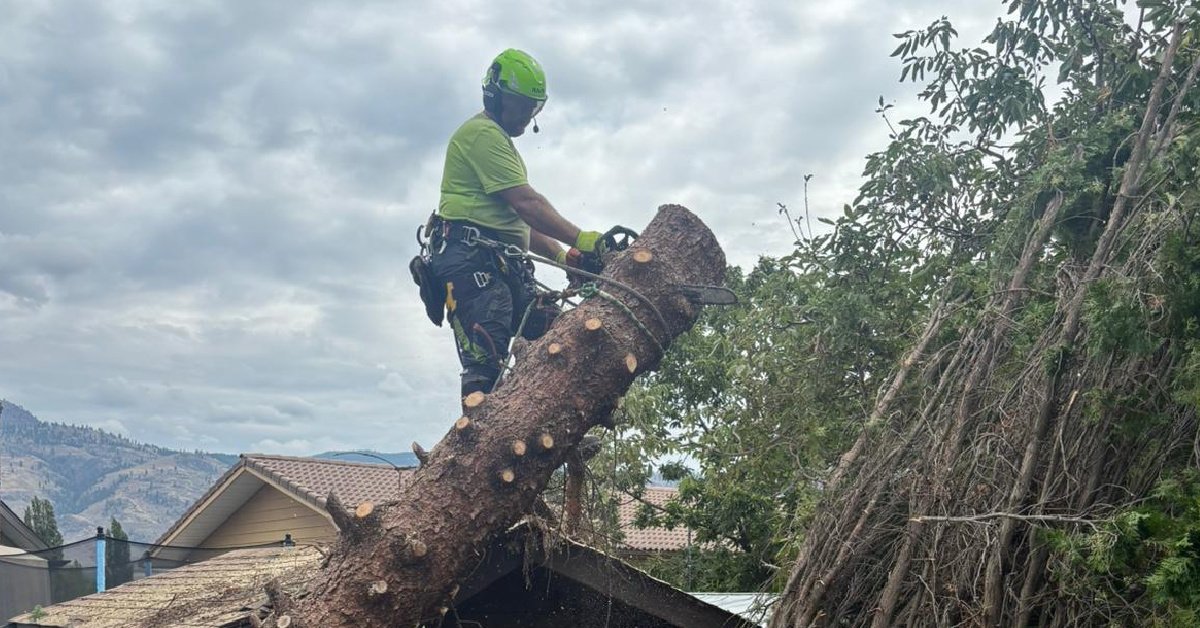
A Millar Tree Care arborist safely removes a hazardous tree using professional climbing and rigging techniques.
Watch for Early Budding
With warmer temperatures arriving sooner than expected, some trees may begin budding earlier than usual. While this is a natural response to mild weather, early budding can sometimes leave trees vulnerable if a late frost occurs.
Different species wake up at different times in the spring. Fruit trees, maples, and ornamental trees often show early signs of growth, while others may remain dormant for several more weeks.
Homeowners should keep an eye on:
Swelling buds on branches
Small leaf tips emerging
Flower buds forming on fruit trees
Once buds begin to open, the ideal window for major pruning starts to close for many species. This is why late winter and early spring are often recommended times for pruning work.
Check the Soil Around Trees
Winter conditions also affect soil moisture levels. In years with heavy snowfall, melting snow provides trees with a steady supply of moisture in early spring. But when winters are mild and snowpack is limited, soil may dry out sooner than expected.
Take a look at the ground around your trees and check for:
Extremely dry soil
Compacted soil from foot traffic or equipment
Exposed roots due to erosion
Young trees and recently planted trees are particularly sensitive to dry soil conditions. Ensuring adequate moisture early in the season can support healthy root development and encourage strong spring growth.
Mulching around the base of trees can also help retain moisture and regulate soil temperature as the season progresses.
With spring temperatures arriving early this year, it can also be a great time to give your trees a helping hand with a spring fertilizer treatment. Millar Tree Care offers custom-blended fertilizer products designed to boost tree vigour while replenishing the micro and macro nutrients often missing from Southern Okanagan soils.
Look for Signs of Pest or Disease Activity
A mild winter can sometimes allow certain pests to survive in greater numbers than usual. As temperatures rise, insects and fungal diseases may become active earlier in the year.
Homeowners should watch for:
Small holes in bark
Sawdust-like material around the base of the tree
Discolored or spotted bark
Areas where bark appears sunken or damaged
Early detection is important when it comes to managing pests or disease. If a problem is caught early, an arborist may be able to recommend treatments or pruning strategies that help prevent further spread.
Assess Tree Structure and Safety
Finally, take a moment to evaluate the overall structure of your trees. Winter storms and shifting soil can sometimes cause trees to lean slightly or weaken their root systems.
Pay attention to:
Trees leaning more than usual
Roots lifting from the ground
Large limbs hanging over roofs, driveways, or walkways
Trees growing too close to structures or power lines
If a tree shows signs of instability or structural damage, it’s best to have it assessed by a professional arborist. Early intervention can often prevent more serious problems later in the year.
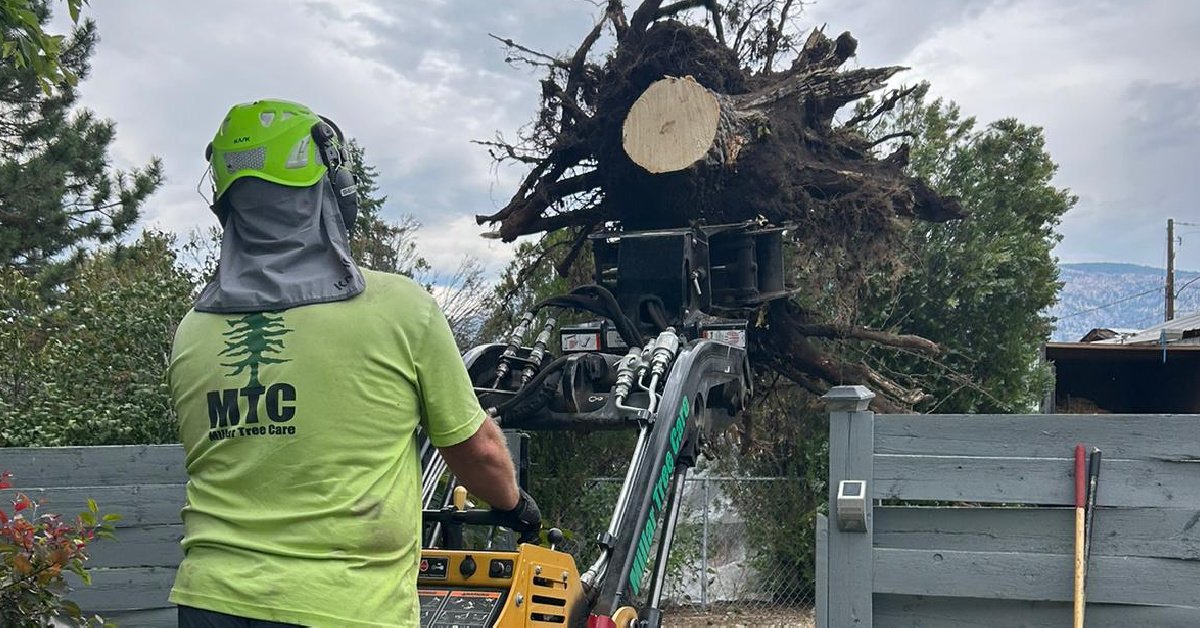
A Millar Tree Care crew member uses specialized equipment to remove a large tree and root system safely and efficiently.
When to Call a Professional Arborist
While homeowners can perform basic visual inspections, certain issues are best evaluated by trained professionals. Certified arborists have the experience and equipment needed to safely assess trees and recommend the best course of action.
A professional tree inspection can help identify hazards, diagnose potential health problems, and determine whether pruning, treatment, or removal may be necessary.
With the growing season approaching quickly, now is an excellent time to ensure your trees are in good shape for the months ahead.
Keep Your Trees Healthy This Spring
A mild winter may bring an earlier start to spring in the Okanagan, but it also means homeowners should take a proactive approach to tree care. By checking for winter damage, watching for early growth, and addressing potential issues now, you can help your trees stay strong, healthy, and safe throughout the year.
If you notice damaged branches, structural concerns, or signs of tree stress, it’s always best to consult a professional arborist.
Call our team today at (250) 809-5779 or visit millartreecare.com/contact to schedule an inspection or learn more about our professional tree care services.