
Late Winter Tree Care: What to Do in February to Set Your Trees Up for Spring Success
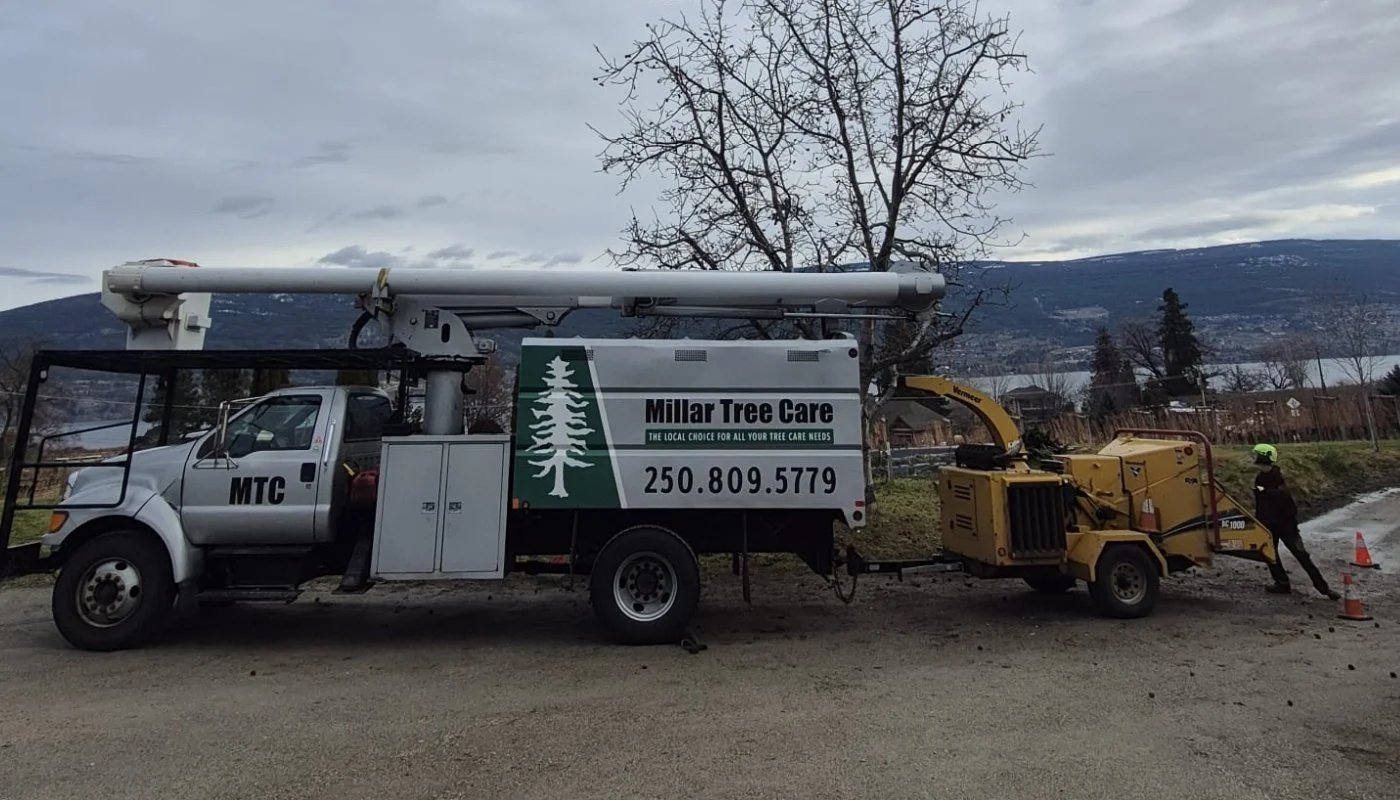
Millar Tree Care’s crew and equipment on site in the South Okanagan, providing safe, efficient late winter pruning and tree maintenance.
Winter may feel like the “off-season” for yard work, but when it comes to tree care, late winter is one of the most important times of year.
Here in the South Okanagan–Similkameen, we’ve experienced a relatively mild winter so far. While that’s been easier on homeowners, it can also create some unique challenges for trees — including early budding, lingering pests, and unpredictable freeze-thaw cycles.
February is the perfect time to check in on the health of your trees and take a few proactive steps that will help them thrive as spring approaches.
Below are some of the most valuable late winter tree care tasks to focus on right now.
Why Late Winter Matters for Tree Health
Trees are still dormant in February, meaning their growth has slowed and their energy is stored for the upcoming season. This dormancy makes late winter an ideal time for maintenance because:
Trees are less stressed by pruning
Branch structure is easier to see without full foliage
Many pests and diseases are less active
Wounds heal quickly once spring growth begins
In other words, the work you do now sets the foundation for healthier growth, fewer problems, and safer trees throughout the year.
Inspect Trees for Winter Damage
Even in a mild winter, trees can experience damage from wind, heavy snowfalls, or rapid temperature swings.
Take a walk around your property and look for:
Broken or hanging branches
Cracks in major limbs or trunks
Bark splitting from freeze-thaw cycles
Leaning trees or exposed roots
Dead limbs that didn’t survive the fall
Winter damage isn’t always obvious right away, but identifying issues early can prevent bigger problems when spring storms arrive.
If you notice large branches or structural concerns, it’s best to have a certified arborist assess the tree before it becomes a safety hazard.
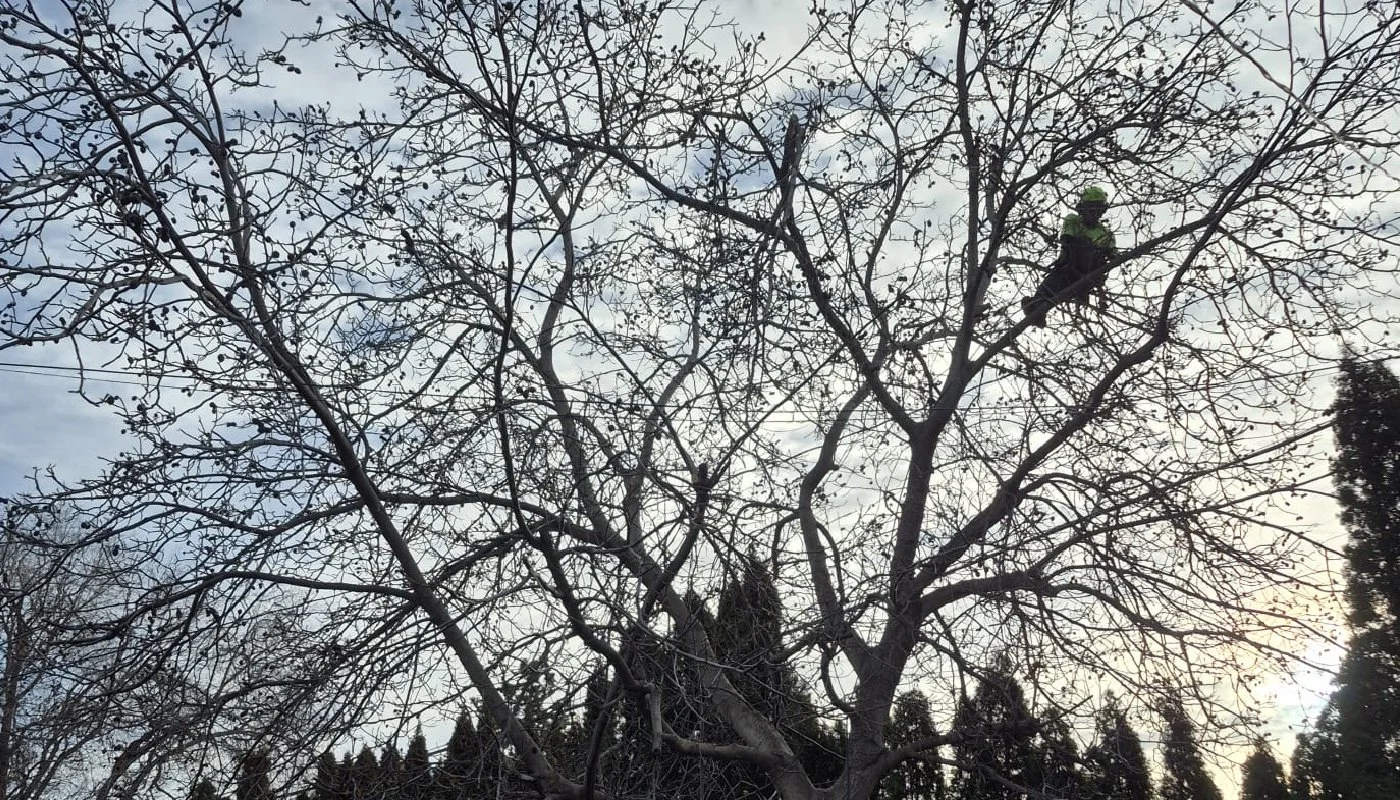
Late winter is an ideal time for structural pruning. An MTC arborist carefully removes dead and overcrowded branches while trees are still dormant.
Late Winter Pruning: The Best Time to Shape and Strengthen Trees
February is prime pruning season for many tree species.
With leaves off the branches, it’s much easier to see the structure of the tree and make smart pruning decisions. Proper late winter pruning helps:
Remove dead or diseased limbs
Improve airflow through the canopy
Reduce the risk of branch failure
Encourage strong spring growth
Shape young trees for long-term structure
This is especially important for ornamental and fruit trees in our region, which benefit from thoughtful pruning before buds break in early spring.
One important note: pruning should always be done correctly. Over-pruning or improper cuts can weaken a tree and invite disease.
If you’re unsure, professional pruning is one of the best investments you can make in your landscape.
Watch for Early Budding During Mild Winters
A warmer-than-normal winter can cause some trees to break dormancy early. When this happens, buds may begin swelling before the risk of frost has passed.
This is a concern because sudden cold snaps can damage tender new growth.
While you can’t control the weather, you can support tree resilience by:
Avoiding unnecessary stress or heavy pruning too late
Ensuring trees are properly watered during dry winter periods
Monitoring vulnerable species closely
Healthy trees are far better equipped to handle late-season temperature swings.
Protect Trees from Pests and Disease Before Spring
Late winter is also a great time to think about pest prevention.
Many insects and pathogens overwinter in bark crevices or in damaged wood. Removing dead limbs now can reduce the chance of infestations later.
Some common issues in the Okanagan include:
Aphids and scale insects
Borers in stressed trees
Fungal infections entering through weak branch unions
A professional inspection in February can often catch early warning signs before problems spread in spring.
Check Young Trees and Supports
If you planted new trees in the past year or two, late winter is a good time to check that they’re still properly supported.
Look for:
Loose or rubbing ties
Stakes that are too tight
Signs of trunk damage from supports
Leaning after windstorms
Young trees need stability, but they also need room to move naturally and build strength. Adjusting supports now helps prevent long-term structural issues.
Prepare the Soil for a Strong Growing Season
While we don’t recommend heavy fertilizing in winter, February is a great time to plan ahead for soil health.
Healthy soil supports healthy roots — and roots are where everything begins.
Consider:
Adding mulch around the base of trees (not touching the trunk)
Checking for soil compaction in high-traffic areas
Planning spring aeration or nutrient support if needed
Mulch is especially helpful because it moderates soil temperature and helps retain moisture as conditions dry out.
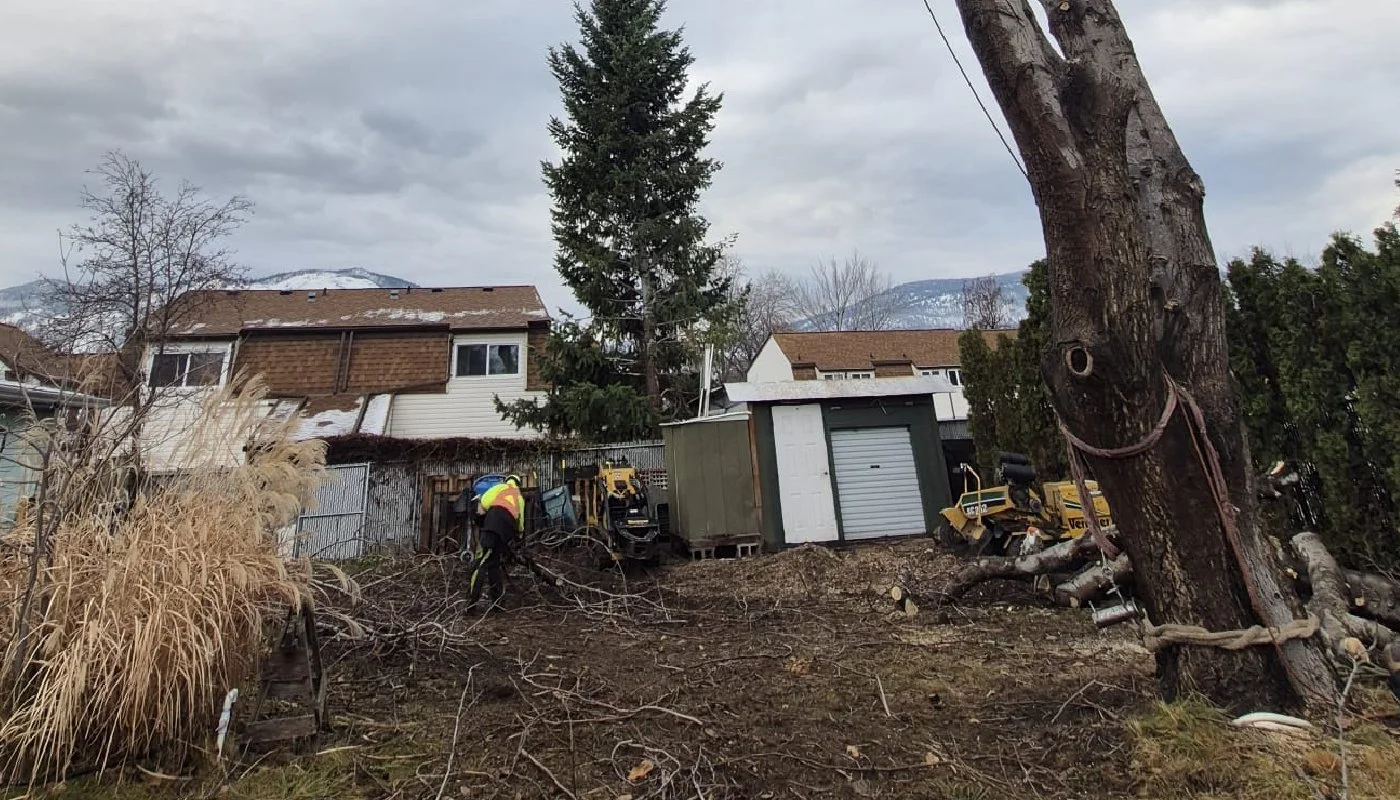
Millar Tree Care crews performing late winter pruning and debris removal — an important step in preparing trees and properties for a healthy spring season.
Know When to Call a Professional Arborist
Some late winter tasks are perfect for homeowners, but tree work can become dangerous quickly — especially when ladders, chainsaws, or large limbs are involved.
Call a professional if you have:
Large dead branches overhead
Storm-damaged trees
Trees near power lines or structures
Concerns about tree stability or cracking
Pruning needs beyond small branches
A trained arborist can ensure the work is done safely and in a way that benefits the tree long-term.
Get Your Trees Ready for Spring with Millar Tree Care
Late winter is the ideal time to take action — before spring growth begins and before small issues turn into expensive problems.
At Millar Tree Care, we provide expert pruning, hazard assessments, and professional tree care throughout the South Okanagan–Similkameen.
Call our team today at (250) 809-5779 or visit millartreecare.com/contact to book your late winter tree inspection or pruning service.
Your trees will thank you this spring.