
Drought Stress in the South Okanagan: What to Watch for This Season
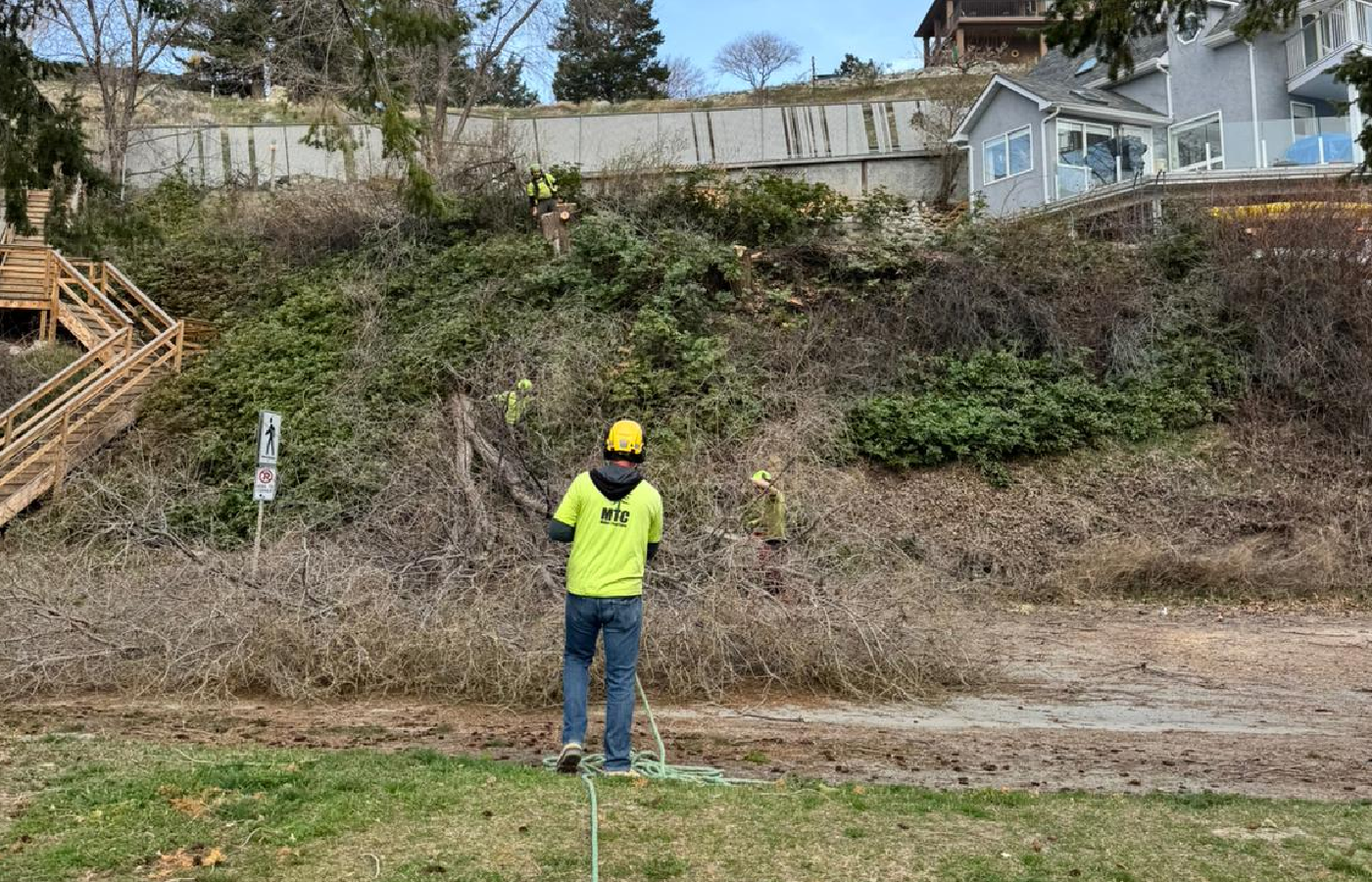
Dry, overgrown areas can increase stress on trees and elevate fire risk—proactive maintenance is critical in the South Okanagan climate.
As we move into spring here in the South Okanagan, many homeowners are focused on fresh growth, pruning, and getting their landscapes ready for the warmer months ahead. But there’s one issue that often starts quietly this time of year – and can cause serious damage by mid-summer if left unchecked: drought stress in trees.
With our region’s naturally dry climate, low precipitation, and increasing summer heat, drought stress isn’t just a seasonal concern – it’s an ongoing challenge for tree health across Penticton, Summerland, Oliver, and beyond.
Understanding what drought stress is, how to spot it early, and what you can do to prevent it can make all the difference in protecting your trees.
What Is Drought Stress?
Drought stress occurs when a tree cannot access enough water to maintain normal growth and function. This can happen due to lack of rainfall, high temperatures, poor soil conditions, or even improper watering practices.
When soil moisture drops too low, trees struggle to move water from their roots to their leaves—a process essential for photosynthesis and overall health.
Over time, this stress weakens the tree, reduces growth, and can eventually lead to decline or even death if not addressed.
Why It Matters in the South Okanagan
Living in a semi-arid climate means our trees are already operating with less water than in many other regions. Add in:
Hot, dry summers
Sandy or fast-draining soils
Water restrictions
Urban heat from pavement and buildings
…and you’ve got the perfect conditions for drought stress to take hold early in the season.
What many people don’t realize is that damage often begins months before symptoms are visible. Stress that starts in spring can show up as major decline by late summer or even the following year.
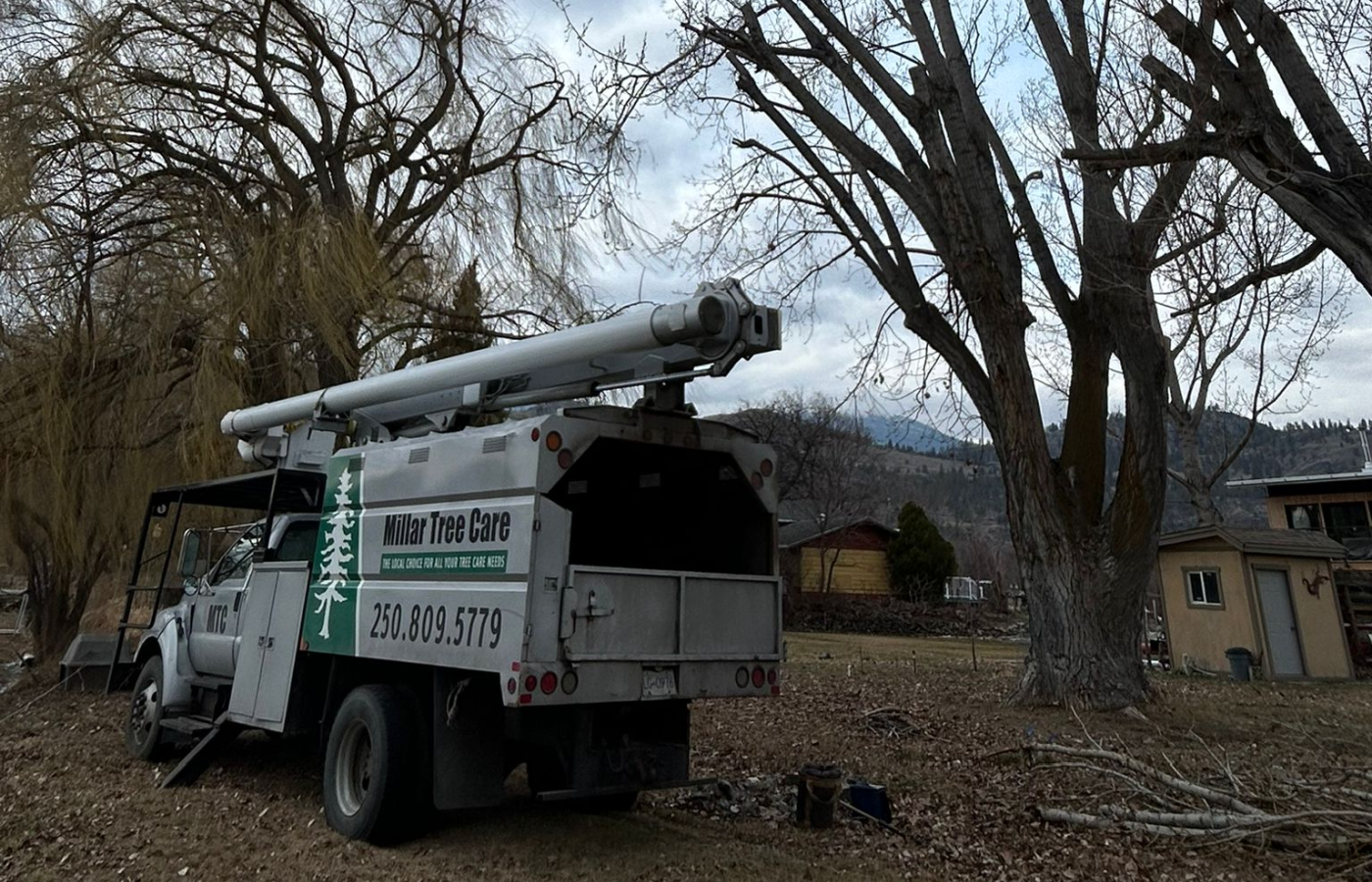
Professional pruning can help reduce stress on trees and improve structure—especially important as we head into dry summer conditions in the South Okanagan.
Signs Your Trees May Be Under Drought Stress
Catching drought stress early is key. Here are some of the most common warning signs:
Early Symptoms
Wilting or drooping leaves
Leaves curling or folding inward
Slight yellowing (chlorosis)
Moderate Stress
Browning or “scorching” along leaf edges
Smaller-than-normal leaves
Reduced new growth
Advanced Stress
Premature leaf drop
Dead tips on branches (dieback)
Sparse canopy or thinning foliage
In severe cases, entire sections of the tree may decline or die.
Another important point: drought-stressed trees are far more vulnerable to pests and disease. Insects like borers and bark beetles often target weakened trees first, accelerating decline.
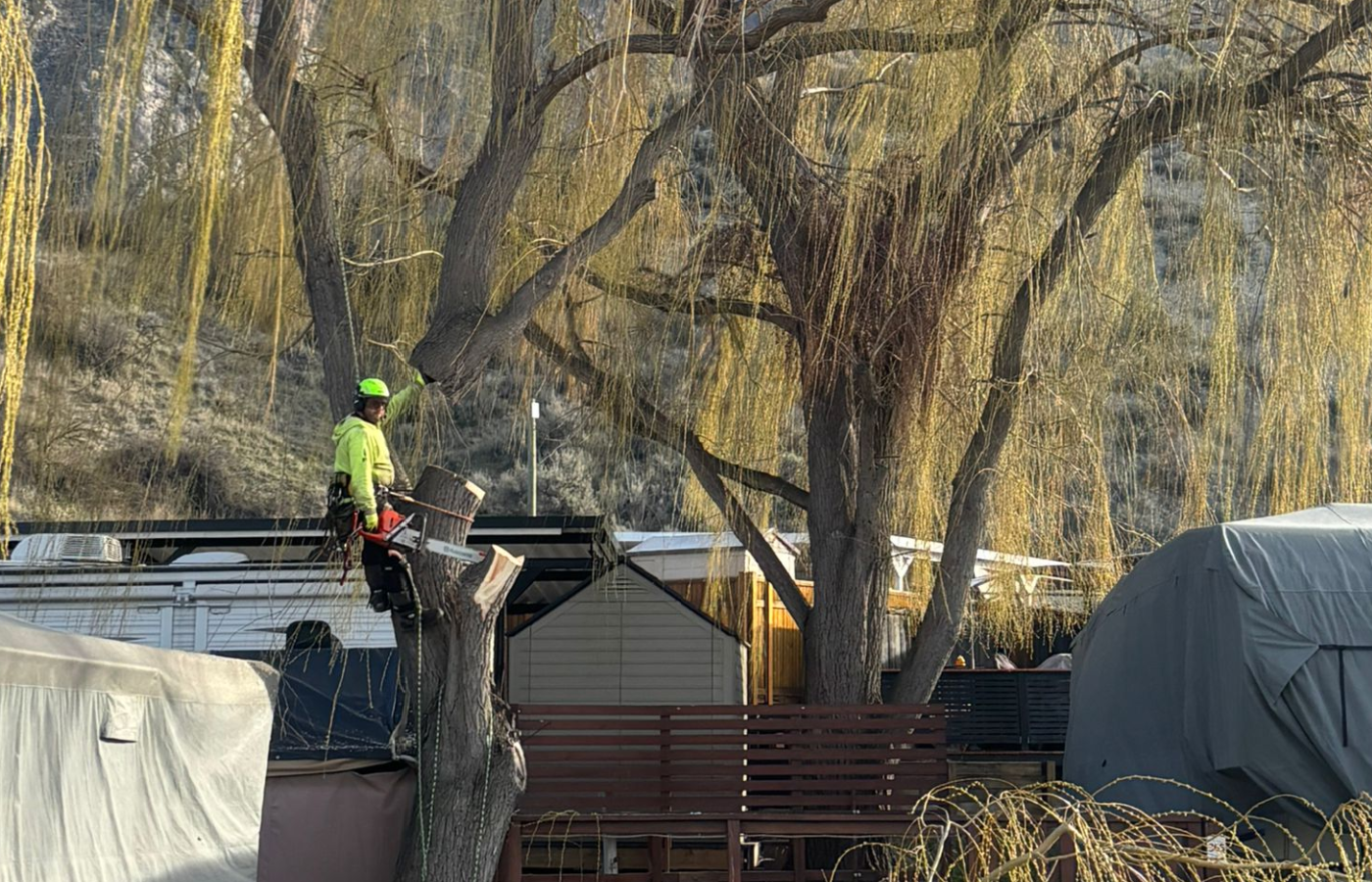
Hands-on tree care ensures proper pruning and canopy management—key factors in helping trees withstand drought stress.
Why Drought Stress Happens
(Even When You’re Watering)
One of the biggest misconceptions is that drought stress only happens when trees aren’t watered at all. In reality, it often comes down to how watering is done.
Common causes include:
Shallow watering: Light, frequent watering keeps roots near the surface, making trees more vulnerable
Poor soil conditions: Compacted or sandy soils may not retain enough moisture
Newly planted trees: These are especially vulnerable due to limited root systems
Competition: Grass and nearby plants can absorb moisture before trees get it
Improper placement: Trees planted in unsuitable environments (too much sun, restricted root space, etc.)
Even mature trees can struggle if water isn’t reaching deep into the root zone.
How to Prevent Drought Stress
The good news? With the right approach, drought stress is highly preventable.
1. Water Deeply and Infrequently
Trees benefit most from slow, deep watering that reaches the full root system. A deep soak every 10–14 days during dry periods is often more effective than frequent light watering.
2. Use Mulch
Applying 3–4 inches of organic mulch around the base of your trees helps:
Retain soil moisture
Regulate soil temperature
Reduce evaporation
3. Monitor Soil Moisture
Don’t rely on guesswork. Check the soil a few inches below the surface—if it’s dry, it’s time to water.
4. Prioritize Young Trees
Newly planted trees need consistent watering for the first few years as their root systems establish.
5. Reduce Competition
Remove grass and weeds from around the base of trees so moisture isn’t being diverted.
6. Avoid Over-Fertilizing
Fertilizing during drought conditions can actually increase stress if adequate water isn’t available.
Why Early Action Is Critical
Once a tree begins to decline, recovery becomes much more difficult. In many cases, damage to the root system has already occurred by the time visible symptoms appear.
Drought can kill fine roots, reducing the tree’s ability to absorb water—even after conditions improve. This forces the tree to use stored energy reserves just to survive, impacting growth for future seasons.
In short: prevention and early intervention are far more effective than trying to reverse damage later.
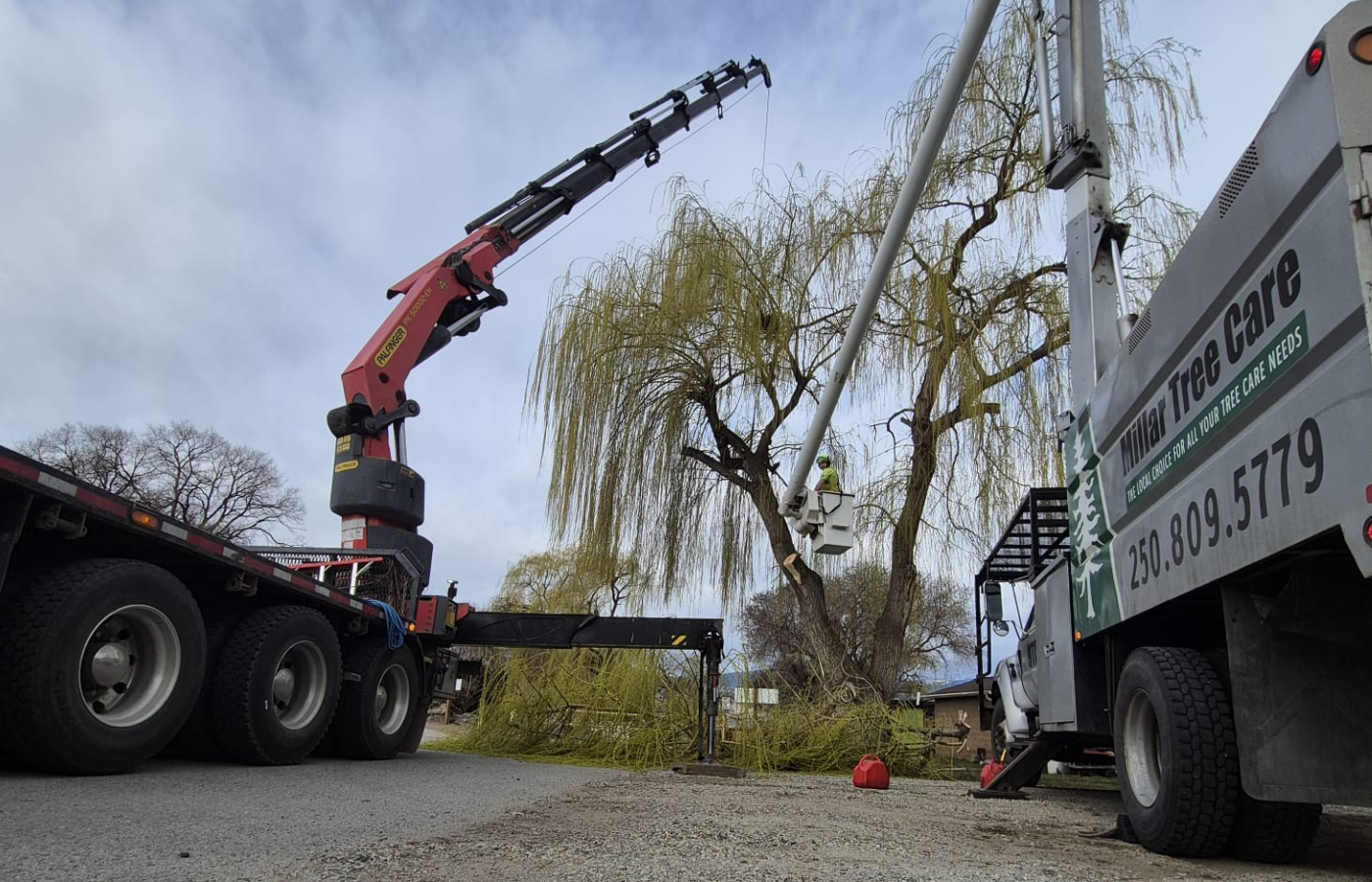
When trees become severely stressed or hazardous, specialized equipment and experienced crews ensure safe and efficient removal.
How Millar Tree Care Can Help
At Millar Tree Care, we understand the unique challenges trees face in the South Okanagan. Our certified team provides professional assessments to identify early signs of drought stress and recommend tailored solutions based on your property, soil conditions, and tree species.
Our services include:
Tree health inspections
Soil and moisture assessments
Deep root fertilization and care strategies
Pruning to reduce stress and improve structure
Long-term tree health planning
Every property is different—and having a certified arborist evaluate your trees ensures you’re taking the right steps before small issues become costly problems.
Protect Your Trees This Season
Spring is the perfect time to get ahead of drought stress before the heat of summer arrives. A proactive approach now can help your trees stay healthy, resilient, and beautiful all season long.
If you are concerned about drought stress it is always best to check with a professional arborist. Call our team today at (250) 809-5779 or visit millartreecare.com/contact to schedule an inspection or learn more about our professional tree care services.