
Why Trees Fail During Summer Storms — Even When They Look Healthy
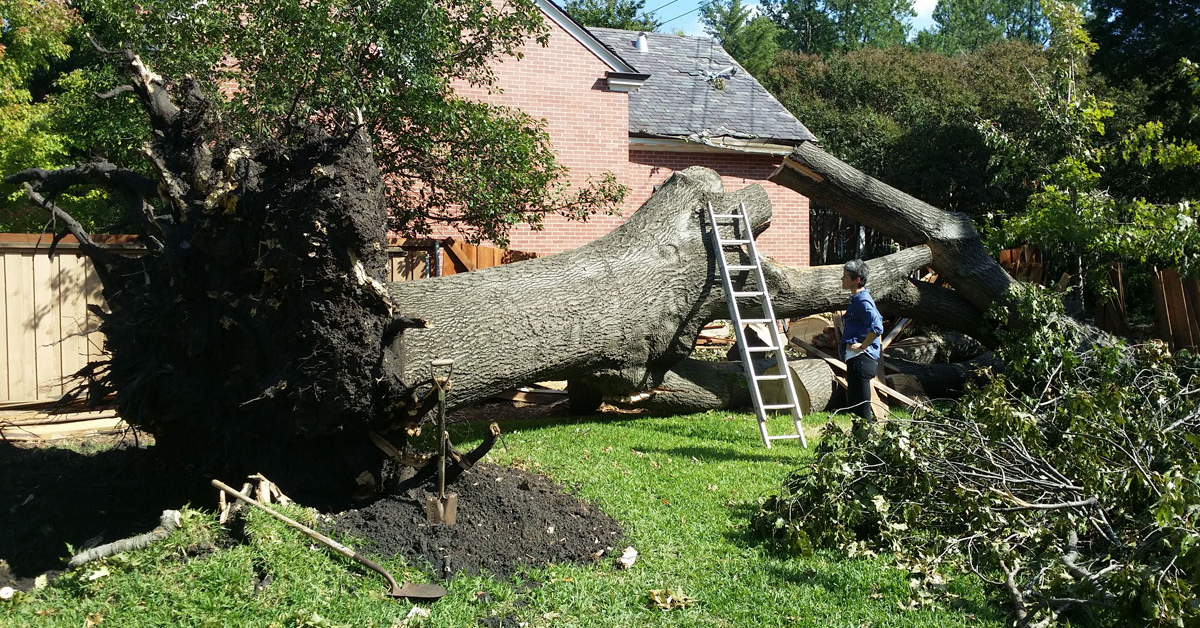
A tree may appear healthy from the outside, but hidden structural weaknesses and compromised roots can significantly increase the risk of storm-related failure.
When a summer storm rolls through the South Okanagan, it’s easy to assume that only dead, dying, or obviously damaged trees are at risk of falling. After all, if a tree is full of leaves, standing upright, and appears healthy from the outside, it should be able to withstand a few hours of wind and rain, right?
Unfortunately, that’s not always the case.
Every year, healthy-looking trees fail during summer storms, causing damage to homes, vehicles, fences, power lines, and other trees. In many cases, homeowners are caught completely off guard because there were no obvious warning signs visible from the ground. The reality is that some of the most serious structural defects in trees develop internally or below the soil surface, remaining hidden until severe weather exposes them.
Understanding why trees fail during summer storms can help property owners identify potential risks before they become costly emergencies.
Healthy Appearance Doesn't Always Mean Structural Strength
Trees are remarkably resilient. They can continue producing leaves, flowers, and new growth even while dealing with significant structural issues.
A tree may appear vigorous and healthy because its canopy is still functioning normally. However, beneath the bark, internal decay may be weakening the trunk. Underground, roots may be compromised by drought, soil compaction, construction damage, or disease. In some cases, structural defects have existed for years but remain unnoticed until environmental conditions create the perfect scenario for failure.
This is one reason certified arborists focus on more than just the appearance of a tree's canopy. A tree’s health and a tree’s structural integrity are not always the same thing.
Hidden Decay Inside the Trunk
One of the most common causes of unexpected tree failure is internal decay.
Fungi, insects, physical wounds, and previous storm damage can create entry points that allow decay organisms to spread inside the trunk. While the outer bark may appear intact, the interior wood can become hollow or significantly weakened over time.
During calm weather, a tree may continue functioning normally despite extensive internal deterioration. However, when strong summer winds place additional stress on the trunk, the remaining sound wood may not be sufficient to support the load.
The result can be sudden trunk failure with little warning.
Weak Branch Attachments
Not all storm-related failures involve the entire tree. Large limbs frequently break during summer storms, even on otherwise healthy trees.
One common issue is a structural defect known as included bark. This occurs when two stems grow tightly together, trapping bark between them instead of forming a strong connection. As the stems grow larger, the attachment remains weak and vulnerable.
Heavy foliage, strong winds, and rain-soaked branches can place enormous pressure on these weak unions. A limb that has appeared stable for years may suddenly split apart during a storm event.
Regular inspections and structural pruning can often identify and reduce these risks before failure occurs.
Root Problems Often Go Unnoticed
Many homeowners focus on what they can see above ground, but a tree's root system plays a critical role in stability.
In fact, root failure is one of the leading causes of tree collapse during periods of heavy rain and high winds.
Summer storms often deliver significant rainfall in a short period of time. Saturated soil loses some of its ability to firmly anchor roots. If a tree already has compromised root health, the combination of wet soil and strong wind can be enough to cause uprooting.
Common causes of root damage include:
Previous excavation or trenching
Soil compaction from vehicles or construction
Root disease
Chronic drought stress
Grade changes around the tree
Restricted growing space
Many of these issues develop slowly and remain invisible until a storm reveals the problem.
The Impact of Drought Stress
Here in the South Okanagan, drought conditions can create a hidden vulnerability long before storm season arrives.
Trees experiencing prolonged drought stress often struggle to maintain healthy root systems and structural growth. While they may leaf out normally, internal stress can reduce their ability to withstand environmental extremes.
Ironically, a tree weakened by months of dry conditions may be more susceptible to failure when sudden heavy rainfall arrives. Saturated soil combined with compromised root systems can create a dangerous situation that wasn't apparent during the dry season.
This is why proper watering and ongoing tree health management remain important even when a tree appears healthy on the surface.
Previous Damage Can Weaken a Tree for Years
Storm damage, improper pruning, construction impacts, and physical injuries can create long-term structural weaknesses.
A branch that partially cracked during a previous storm may heal over externally while remaining compromised internally. A wound from landscaping equipment may become an entry point for decay. Improper topping or aggressive pruning can create weak regrowth that becomes hazardous as it matures.
Years later, homeowners may have no memory of the original damage, yet the tree remains vulnerable.
Professional assessments often uncover these hidden issues before they result in a failure event.
Warning Signs Homeowners Should Watch For
While some defects require professional evaluation, there are several warning signs that should never be ignored:
Large dead branches
Cracks in the trunk or major limbs
Cavities or hollow areas
Mushrooms or fungal growth near the base
Leaning that appears recent or worsening
Soil lifting around the root zone
Multiple stems with tight bark inclusions
Branches hanging over structures or high-use areas
If you notice any of these symptoms, it’s worth having the tree inspected by a certified arborist.
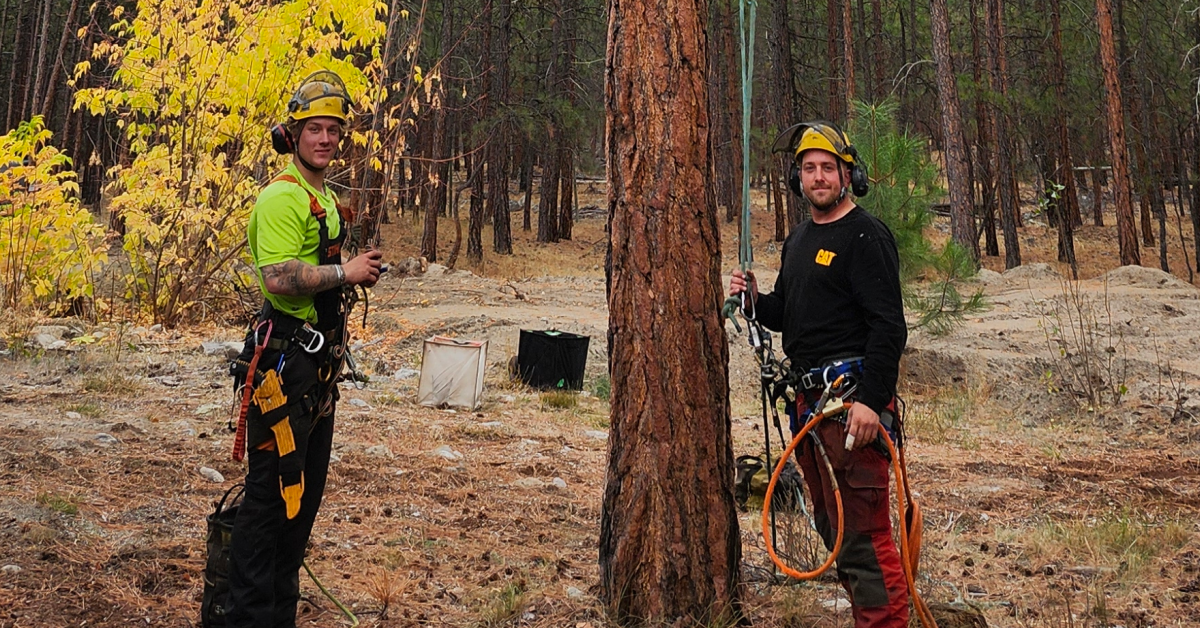
A professional tree assessment can identify hidden structural defects, root issues, and other hazards before they lead to costly storm-related damage.
Why Professional Tree Assessments Matter
Identifying hidden structural defects requires training and experience.
At Millar Tree Care, our certified arborists provide professional tree assessments throughout the South Okanagan. With more than 20 years of experience, we understand how local growing conditions, drought stress, soil types, and seasonal weather patterns affect tree stability. We help homeowners, businesses, and municipalities identify potential hazards before they become costly emergencies.
Whether a tree requires pruning, structural support, ongoing monitoring, or removal, our goal is always to provide practical recommendations that protect people, property, and the long-term health of your landscape. We also provide emergency storm response, hazard assessments, tree removal, pruning, and other professional tree care services throughout the region.
Protect Your Property Before the Next Storm
The most dangerous trees are often not the ones that look unhealthy. Hidden decay, compromised roots, weak branch unions, and past damage can all create significant risks that remain unnoticed until severe weather strikes.
A proactive inspection today can help prevent expensive property damage and improve the safety of your landscape before the next summer storm arrives.
Call our team today at (250) 809-5779 or visit millartreecare.com/request-a-quote. Let’s discuss your needs and ensure that your project is handled properly from start to finish.