
Tree Removal vs. Tree Preservation: How We Decide What to Do—and Why It Matters in Winter
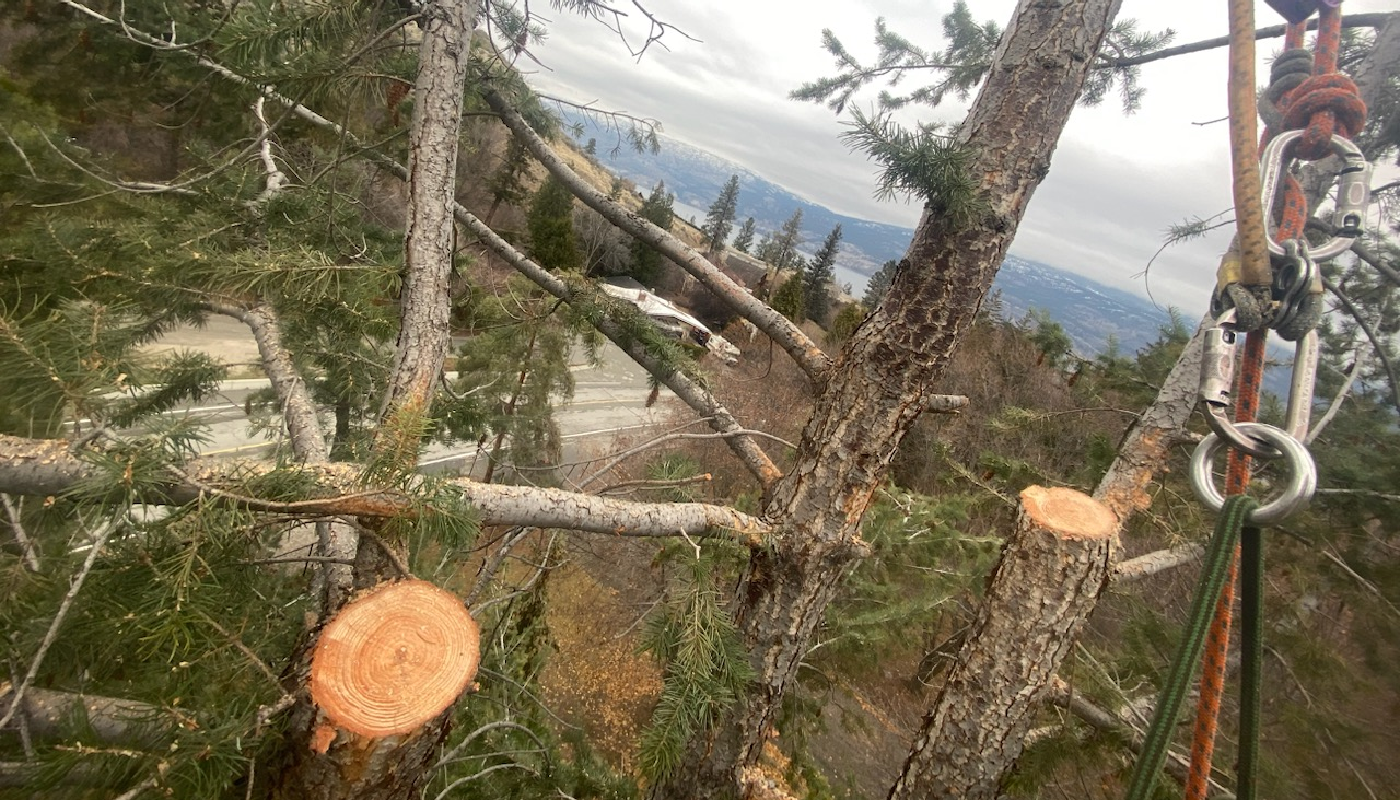
Winter brings a unique set of challenges for homeowners and their trees across the South Okanagan. Snow load, freezing temperatures, freeze-thaw cycles, and high winter winds all change how trees behave—and how risky they can become when damage is present. At Millar Tree Care, one of the most common questions we receive during the colder months is:
“Should this tree be removed, or can it be saved?”
The answer is rarely black and white. Our job as certified arborists is to carefully balance tree health, public safety, and property protection—especially when winter conditions increase the stakes. This article walks you through how we make that decision, what warning signs matter most, and why delaying action in winter can be far more risky than many property owners realize.
Why Winter Changes the Tree Care Equation
Winter may look like a dormant, quiet season—but structurally, trees are under tremendous stress. Snow accumulation increases branch weight dramatically. Ice adds even more load. Cold temperatures tighten and contract wood fibres, which can expose existing cracks or decay. Meanwhile, frozen ground reduces root flexibility, making trees more vulnerable to toppling in strong winds.
Unlike summer damage, winter failures often happen suddenly and without warning. A branch weakened by decay may hold all fall, then fail overnight under snow load. A tree with compromised roots may stand upright for years—until frozen soil and wind combine to tip it over. That’s why winter diagnostics are so important, and why professional assessment matters more than ever this time of year.
The Millar Tree Care Approach: Preservation First, Safety Always
At Millar Tree Care, preservation is always our starting point. If a tree can be safely saved through pruning, cabling, bracing, or targeted risk mitigation, we will always recommend that route first. Mature trees provide enormous value—shade, structure, stormwater control, property value, and long-term ecological benefit.
However, preservation is only responsible when:
The tree’s structural integrity is sound
The root system remains stable
The risk to people and property is manageable
When those conditions are no longer met, removal becomes the safest and most responsible option—especially in winter.
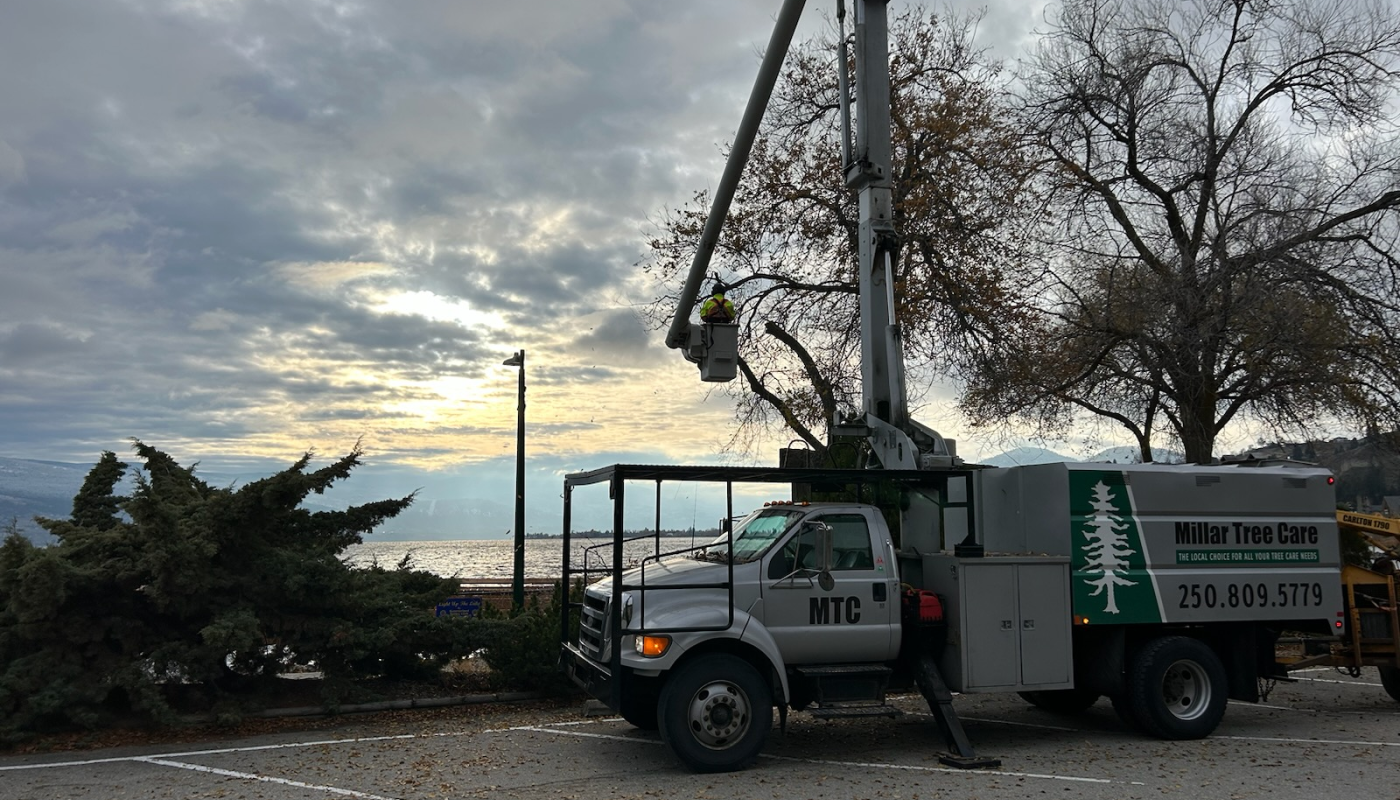
Key Warning Signs That May Shift from Preservation to Removal
Here are the most common red flags we look for when assessing winter risk:
1. Compromised Root Systems
Roots are the foundation of any tree. Winter soil saturation followed by freezing can loosen anchoring roots, especially in trees already affected by:
Construction damage
Poor drainage
Soil compaction
Fungal root rot
If enough structural roots are compromised, the tree becomes a tipping hazard—often without visible canopy warning.
2. Hidden Internal Decay
Not all decay is visible from the outside. Cavities, internal rot, and hollowing may only reveal themselves through:
Fungal growth at the base
Soft, punky wood
Cracks along the trunk
Unusual swelling or seams
Winter is particularly dangerous for decayed trees because brittle wood under cold stress is far more likely to shear under load.
3. Storm & Snow Load Damage
Branches weakened by previous storms, cracks, or pruning wounds are the first to fail under snow and ice weight. Repeated snow loading can cause:
Progressive branch tearing
Splitting at weak unions
Entire crown shifts in wind
Once structural failure begins, it often accelerates rapidly.
4. Proximity to Homes, Power Lines & Structures
Even healthy trees can represent unacceptable risk if they are positioned too close to:
Homes
Garages and outbuildings
Driveways
Fences
Power lines
In winter, emergency access is more difficult, cleanup is slower, and damage costs increase sharply. Tree location matters just as much as condition.
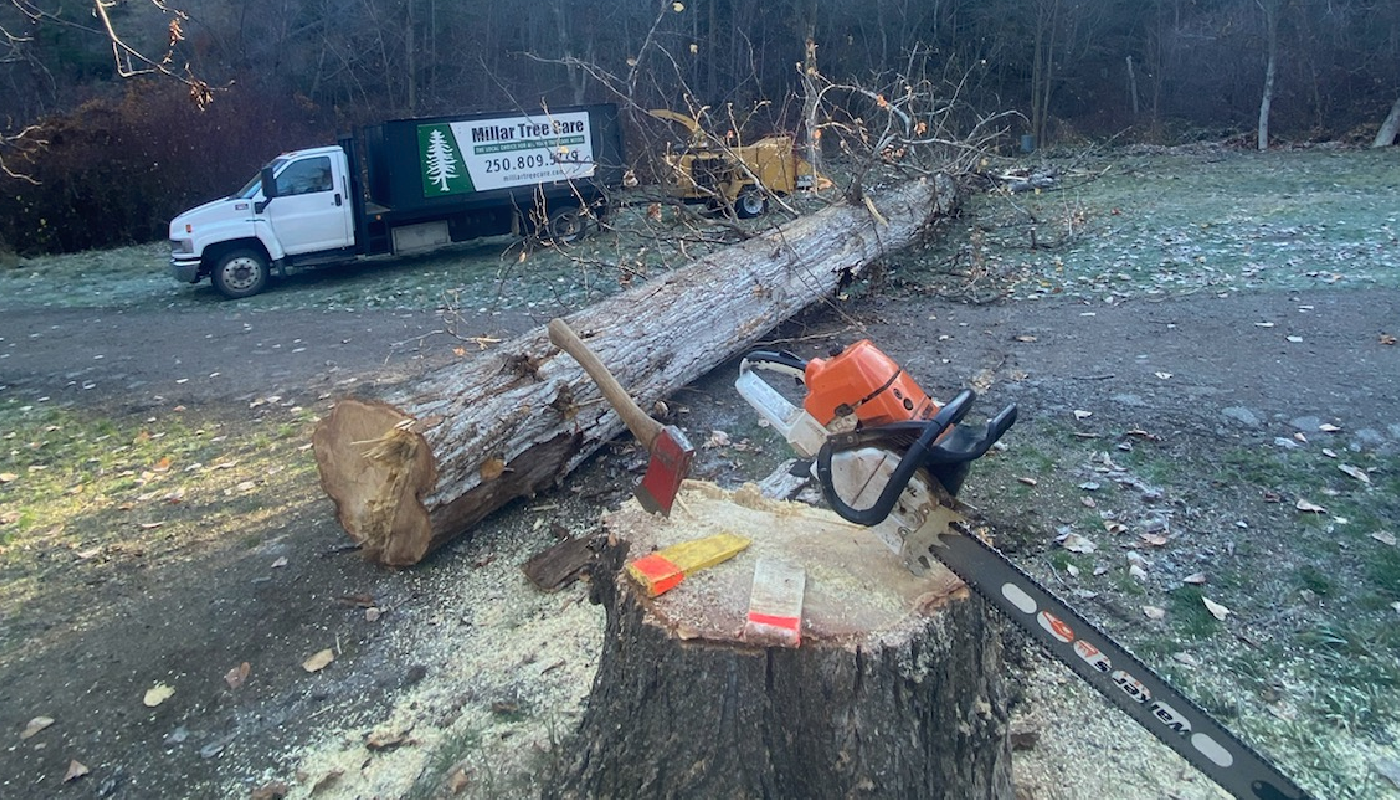
Why Delaying Tree Removal in Winter Can Be Risky
Many homeowners assume it’s best to “wait until spring.” In reality, winter is often the most dangerous time to delay action. A compromised tree may stand through calm conditions—but one heavy snowfall or wind event can turn it into an emergency.
Waiting can lead to:
Costly structural damage
Insurance claims
Utility interruptions
Emergency removals at premium rates
Personal injury risk
Proactive winter removal is safer, more controlled, and often more cost-effective than waiting for failure.
Winter Tree Preservation: When Saving the Tree Is the Right Call
Not every winter tree issue requires removal. In many cases, targeted winter pruning and structural corrections can successfully extend the life of a healthy tree. Winter is actually an excellent time for:
Structural pruning
Deadwood removal
Weight reduction
Crown thinning
Cabling and bracing
With leaves off the canopy, arborists gain clearer visibility into branch structure, defects, and load distribution. Proper winter pruning also reduces disease spread and encourages healthy spring growth.
Safety-First Equipment & Certified Expertise
Winter tree work is inherently higher risk—for homeowners and for operators. Frozen ground, reduced traction, falling ice, and unpredictable failures all demand advanced equipment and extensive training.
Millar Tree Care uses:
Modern crane and rigging systems
Specialized winter traction equipment
Advanced climbing and aerial lift gear
Certified arborists with winter operations experience
This allows us to perform both preservation work and removals with maximum safety and minimal property disruption, even under challenging conditions.
Responsible Tree Care—Not Removal for Removal’s Sake
At Millar Tree Care, we don’t remove trees unless removal is truly the responsible option. Every evaluation is rooted in:
Certified arborist standards
Risk assessment protocols
Tree biology
Site conditions
Long-term ecosystem impact
Our goal is not only to manage risk—but to do what’s best for both people and trees.
Call Millar Tree Care for a Winter Tree Assessment
If you’re seeing storm damage, leaning trees, heavy branch loads, root exposure, or signs of decay, don’t wait for winter to make the decision for you.
Call Millar Tree Care today at (250) 809-5779 or visit https://www.millartreecare.com/contact
A professional winter assessment could prevent costly damage—and help preserve the trees that still have many healthy years left to grow.